
FIXED ACCESS LADDERS
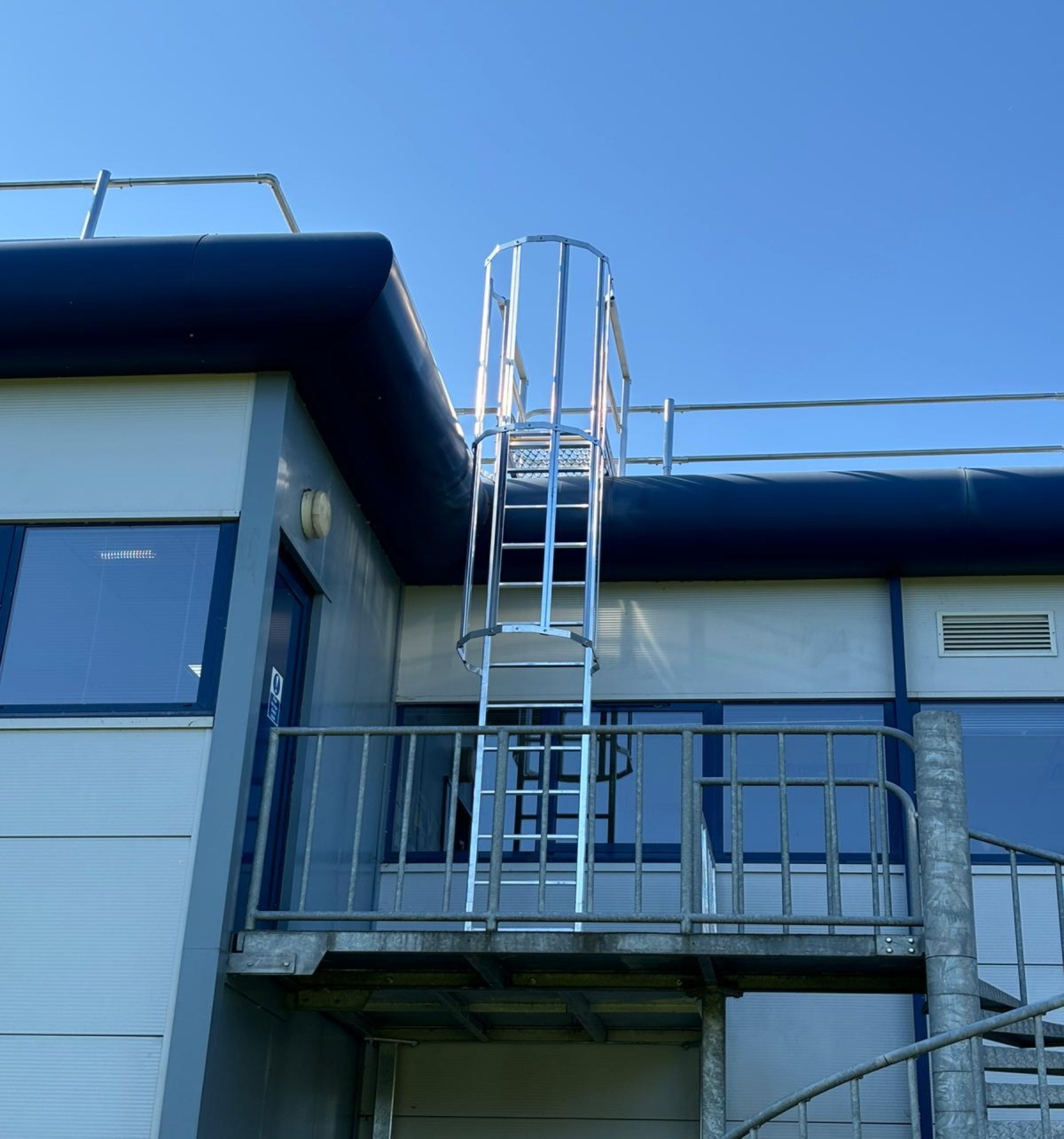
We can design, supply and install a wide range of fixed vertical ladders to suit your specific site requirements and to ensure safe access and egress for work at height tasks.
All our fixed access ladders are manufactured to the highest standard and suitable for access to rooftops, upper building areas, parapets and platforms.
FULLY COMPLIANT FIXED VERTICAL LADDERS
Fixed ladders help comply with work-at-height safety regulations when other access points are not available.
We offer a range of bespoke solutions for industrial and commercial use, all designed and installed in accordance with current regulations and safety standards. Each ladder is designed considering use, location, height requirement, and additional safety elements. Height of Safety is independent and not tied to using a single brand or supplier. This means we can recommend and install the most suitable solution for your specific needs and budget.
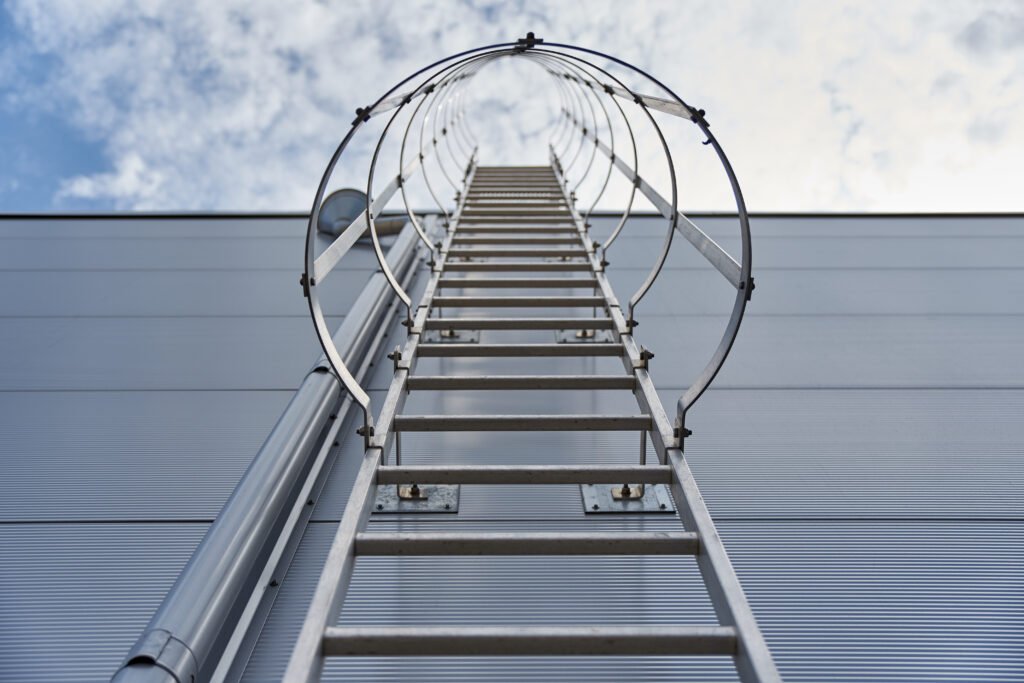
Our access solutions include roof access ladders, ships ladders, CAT ladders, and vertical ladders. Roof access ladders extend above the roofline for secure handholds. Additional walkthrough hoops, crossovers, and safety gates are available for all options, but safety cages are no longer considered standalone fall protection. Cages do not actively arrest falls, so vertical ladders with a fall arrest system are the better option for taller climbs, especially above 6 meters. Our ladders can be manufactured in various materials, for example, steel, aluminium, FRP, and galvanised steel.
THE RIGHT LADDER FOR YOUR SITE
Not sure what type of fixed ladder solution you need? The right option will depend on the site, the climb and a risk assessment.
Our team of engineers will visit the site or work from your drawings to figure out the best option for you. They’ll make sure it all meets UK height regulations and your specific site needs. Wherever possible, internal access options should be considered first.
Our fixed vertical access ladders are designed, installed and tested to UK regulations and safety standards, including
- BS 4211
IMPORTANT THINGS TO CONSIDER
The site or building owner is responsible for ensuring fixed ladders are installed, tested and inspected and maintained properly. Installation is a critical first step in getting safety and compliance right. That means getting the rung spacing, clear width and adequate space around the ladder just right to prevent accidents.
Adding standoff brackets and rest platforms can really help with safety and usability, especially on longer climbs. Don’t forget handrails and stiles need to be designed for secure grip and support.
Maintenance is just as important as a thorough installation; regular inspections before and after use are a must to spot any damage or wear. Safety testing needs to be done every 12 months to meet PUWER 1998 and British Standards.

WHY CHOOSE HEIGHT OF SAFETY FOR YOUR FIXED ACCESS LADDERS?
Choosing the right partner for your fixed access ladder needs is crucial for safety and compliance. Height of Safety offers you cost-effective solutions tailored to your site requirements without compromising quality. As an independent company not owned by any supplier, we are not tied to using a single brand or product line. This independence allows us to recommend and install the most suitable ladders and safety systems based purely on your specific needs and budget.
Our expert team provides a personalised service from initial site survey and design through to professional installation and ongoing maintenance. We prioritise safety, compliance, and customer satisfaction in every project.
Contact Height of Safety today to discuss your fixed ladder requirements and book a free site survey. Let us help you ensure safe, reliable, and compliant access solutions for your site.