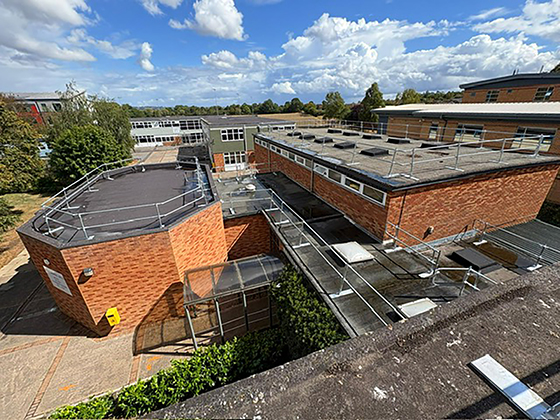
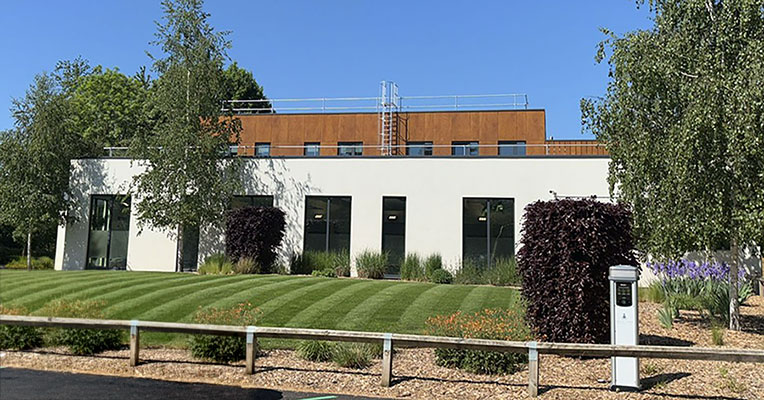
According to the Health and Safety Executive (HSE), falls from height continue to be one of the leading causes of workplace fatalities and serious injuries. For building owners, facilities managers and those in charge of maintaining commercial properties, ensuring people can work safely at height is a moral duty and a legal requirement.
One solution that can help protect people working on roofs is a safety line system. However, it is important to remember that under the Work at Height Regulations 2005, collective protection, such as guardrails, should always be considered before personal fall protection systems.
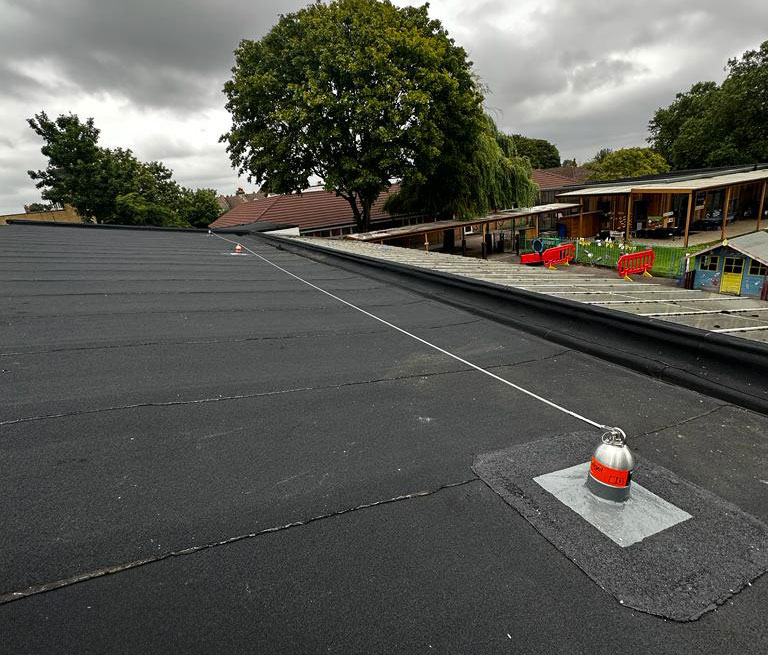
What is a lifeline system?
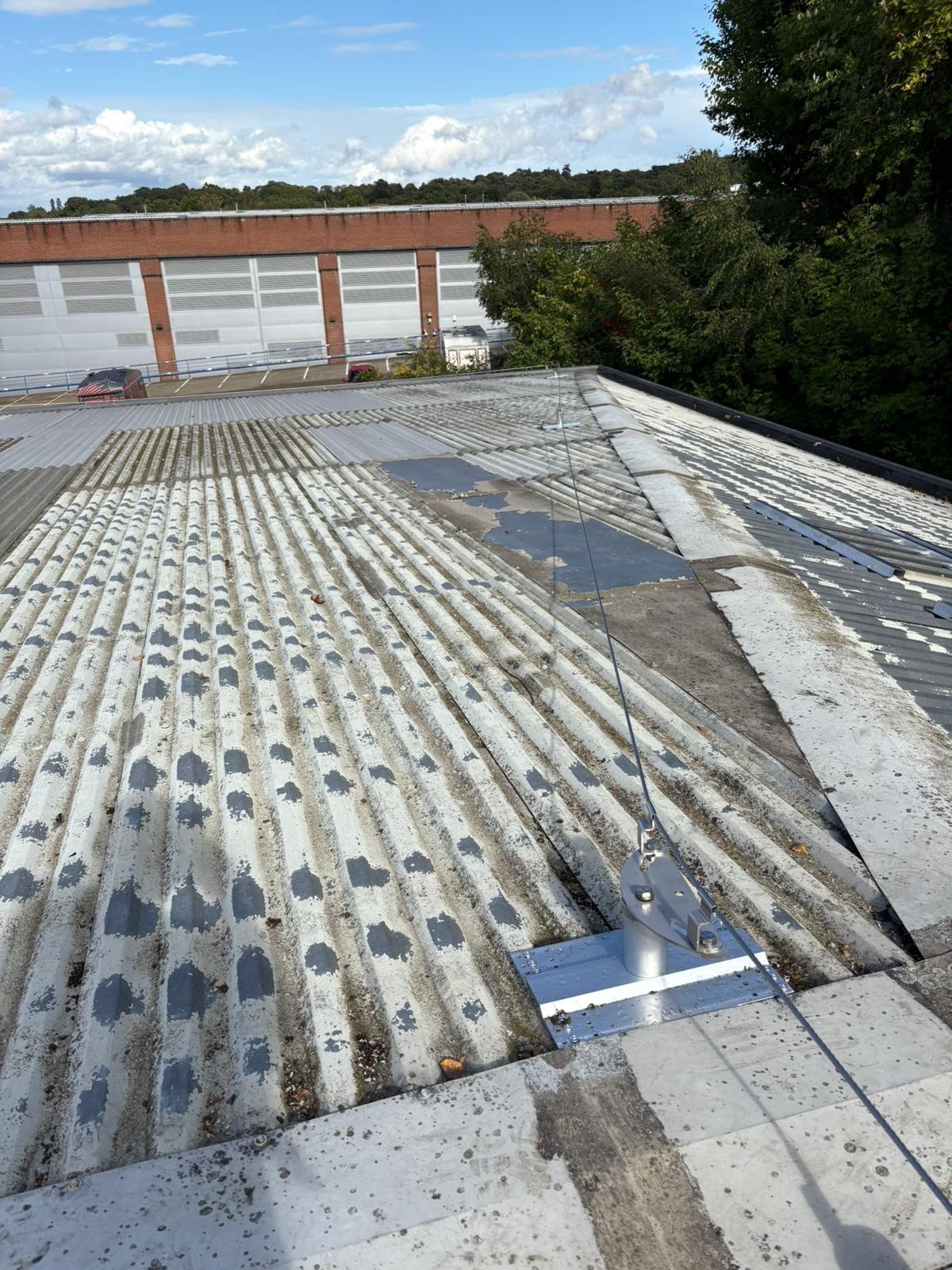
A lifeline system is a personal fall protection system that allows people to work safely at height while connected to the system. It provides continual hands-free protection.
You tend to find these systems installed on commercial and industrial roofs where maintenance teams need to service plant equipment, inspect roofs, clean gutters or maintain solar panels.
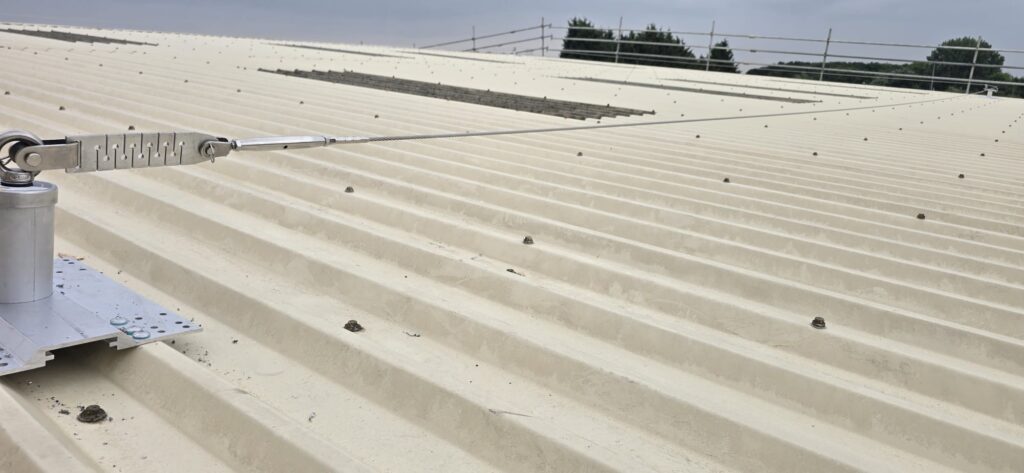
A typical system includes:
- Anchor points
- A stainless steel cable or rigid rail
- A traveller device that moves along the lifeline
- A full body harness
- A lanyard connecting the user to the system
- Energy-absorbing components to reduce forces should a fall occur
By remaining connected throughout the task, users are protected while moving around the roof.
Fall restraint or fall arrest?
Not all lifeline systems work in the same way. They are generally designed as either fall restraint or fall arrest systems.
A fall restraint system does exactly what it sounds like. It stops a user from reaching a roof edge or other hazard in the first place. Because it removes the possibility of a fall, it’s the preferred system wherever possible.
A fall arrest system allows access into areas where a fall could occur but safely arrests the fall should it happen. If fall arrest is being used, careful design is needed to take into account clearance below and to minimise the forces placed on the user and building during a fall.
Which system is specified, fall restraint or arrest, will depend on the building, type of work being carried out and the associated risks.
Legal requirements for line systems
As with all fall protection, lifeline systems must be properly designed, installed and maintained.
Relevant legislation and standards include:
- Work at Height Regulations 2005
- Health and Safety at Work etc. Act 1974
- BS EN 795 for anchor devices
- BS 7883 for the design, installation, inspection and maintenance of anchor systems
Regular inspection is vital for a lifeline to remain compliant. As there are numerous moving parts, more can go wrong with the system. Inspection should be carried out at least every 12 months by a qualified, competent person. Usage and environmental conditions may require more frequent inspection.
Annual recertification is the best way to be sure that the system is still able to perform as it’s intended to. It also provides documented evidence of the system’s compliance. helps ensure the system continues to perform as intended and provides documented evidence of compliance.
Who should consider installing a lifeline system?
Lifeline systems are suitable for companies responsible for maintaining buildings where people regularly access roofs, including:
- Building owners
- Facilities managers
Property and portfolio managers - Maintenance contractors
Industrial operators - Schools, hospitals and public sector organisations
Choosing the right solution begins with a professional roof safety survey, which identifies all hazards before recommending the most appropriate method of protection.
Choosing the right fall protection solution
No two roofs are the same. Every roof has its own unique set of challenges that need to be addressed. Lifeline systems offer an effective way to protect people working at height, but they are only one part of a wider fall protection strategy.
Guardrails, roof walkways, step-over platforms or safe access ladders may provide a safer and more practical solution. Or, for an effective approach, you could combine systems to provide safe access across the entire roof.
A roof safety specialist will assess your building, consider how the roof is used and recommend solutions that comply with current legislation while meeting your operational requirements.
Need advice on protecting people working on your roof?
Selecting the right fall protection system starts with assessing the risks.
We provide independent roof safety surveys, design, installation, testing and annual recertification of a wide range of fall protection systems, helping building owners and facilities managers keep people safe while remaining compliant with current UK regulations.