Last month, the HSE published the latest Construction annual health and safety statistics for Great Britain. And the figures are concerning.
So, as we wrap up for the festive break, we must remember that not everyone will go home this Christmas.
Overview of HSE Statistics for 2022-2023
The HSE statistics for all industries show that 1.8 million people are suffering from work-related ill health, and 135 workers were killed in work-related accidents.
561,000 workers sustained a non-fatal injury at work. Over 5,000 of these were due to a fall from height, resulting in around 992,000 lost working days.
The overall cost of work-related illness and workplace injury is estimated at £20.7 billion.
What is construction?
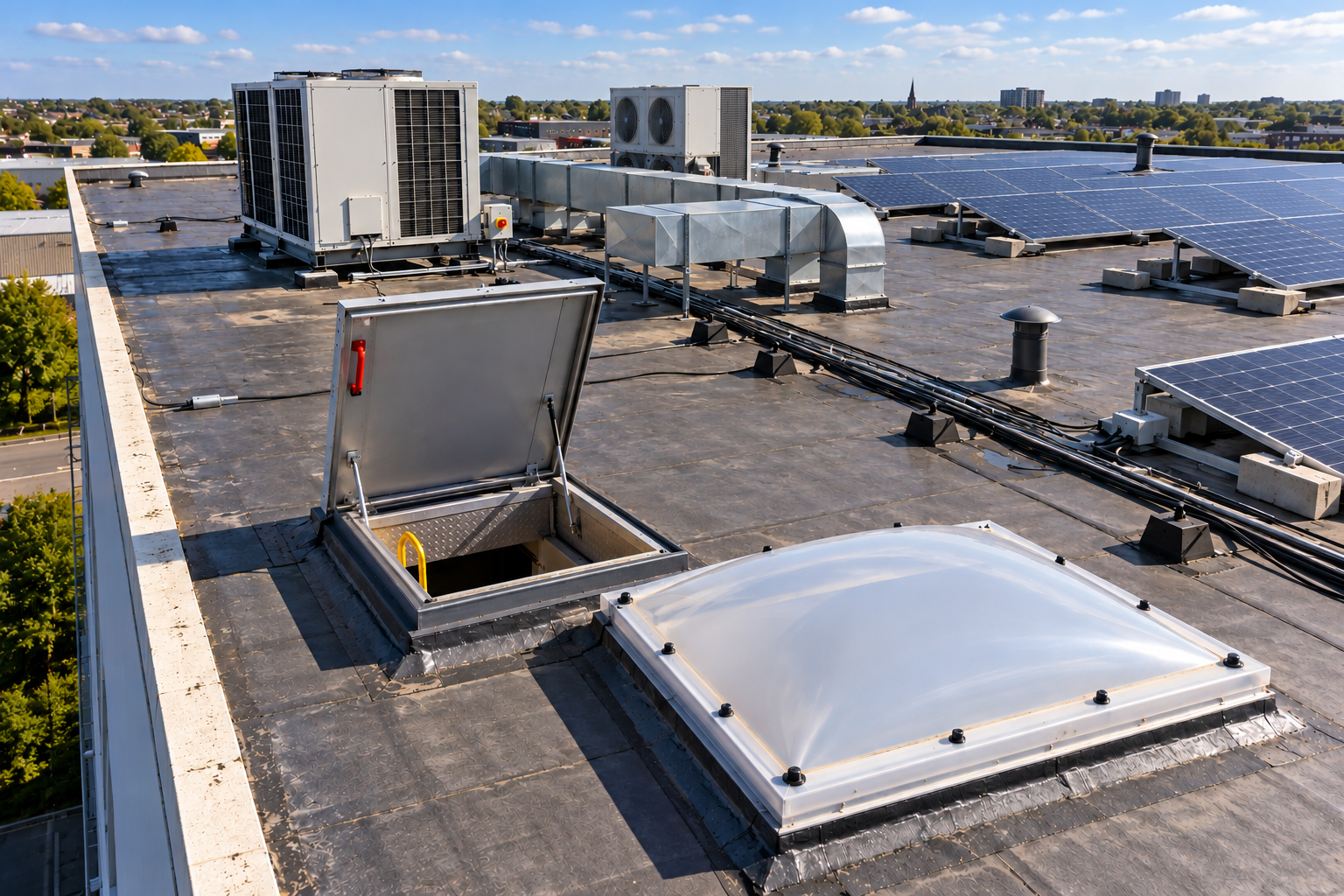
This might seem a silly question, but people often think of construction as just building something. That’s not the case. Construction covers a broad range of activities, including general roof work and maintenance. So if you have people carrying out inspection or maintenance work of plant and equipment on your roof, they come under construction.
The HSE groups construction as follows:
- Construction of buildings: These are general contractors involved in new work, repair, additions and alterations.
- Civil engineering: Including utility, road and railway projects
- Specialised construction activities: These include trades such as electrical, plumbing, joinery, plastering, painting and glazing.
What the 2022/23 figures reveal about construction fatalities
There were 45 fatal injuries during this period. This is higher than the annual average of 37 over the five years from 2018 to 2023.
The top 5 causes of fatal injury are:
- Falls from height which account for a staggering 51% of fatal injuries in construction.
- Trapped by something collapsing/overturning 12%
- Struck by moving including flying/falling objects 10%
- Struck by moving vehicle 10%
- Contact with electricity or electrical discharge 6%
Although Britain has a reputation for being one of the safest countries for workers, these statistics show we can’t afford to take our foot off the pedal. Safety must always be a priority.
Latest stats on non-fatal injuries in construction
There were 53,000 reported non-fatal injuries to workers in the construction industry during 2022/23. As with fatalities, falls from height were the highest cause of work-related injuries at 33%.
This is followed by slips, trips or falls on the same level (30%), struck by moving including flying/falling objects (30%) and injured while handling, lifting or carrying (7%).
The HSE estimates that around 2.6 million working days were lost each year as a result of work-related injury (20%) and work-related illness (80%).
Falls from height are preventable.
These statistics serve as a stark reminder that, while incidents unfortunately do happen, they are largely avoidable with the right precautions and safety measures. For example:
- Risk Assessment & planning: Before any work at height begins, it’s crucial to carry out a comprehensive risk assessment. Identify potential hazards and assess the risks associated with the task. This will set the basis for developing a robust plan to mitigate risks and ensure all necessary safety measures are in place.
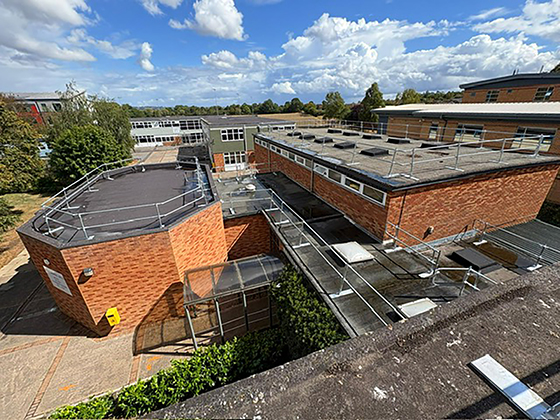
- Fall protection systems: The hierarchy of control should always be followed when selecting equipment. If work at height cannot be avoided, then guardrails, personal fall arrest systems and other engineered solutions should be considered. All systems must be properly installed, regularly inspected and compliant with the relevant safety regulations.
- Proper training: People working at height must have the proper knowledge and skills to work safely. Training should cover the correct procedures for working at height, identifying potential hazards and using equipment correctly.
Don’t add to these statistics next year
The latest HSE statistics underscore the importance of a continued focus on preventing falls from height, particularly in the construction sector.
By prioritising risk assessments, implementing effective fall protection systems, comprehensive training and regular equipment testing and inspection, employers can reduce fall from height incidents and ensure every worker returns home safely at the end of the day.