Edge Protection vs Fall Protection: What Is the Difference and Which Do You Need
Working at height remains one of the most high-risk activities across construction, facilities management and industrial environments. Falls from height are one of the leading causes of workplace injuries and fatalities, responsible for roughly a quarter of all fatal workplace injuries in the UK each year. Choosing the right safety system is not just about compliance. It is about preventing serious injury and protecting everyone on site.
Two of the most common solutions are edge protection and fall protection. While they are often mentioned together, they serve very different purposes. Understanding how they work and when to use them is essential for making the right decision for your project.
This guide breaks down the differences, use cases and key considerations so you can confidently choose the most effective approach.
What Is Edge Protection
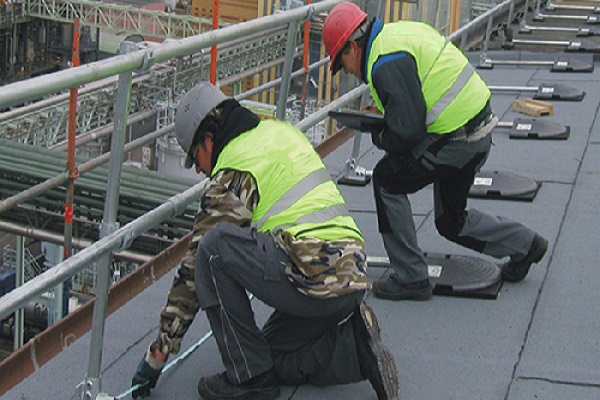
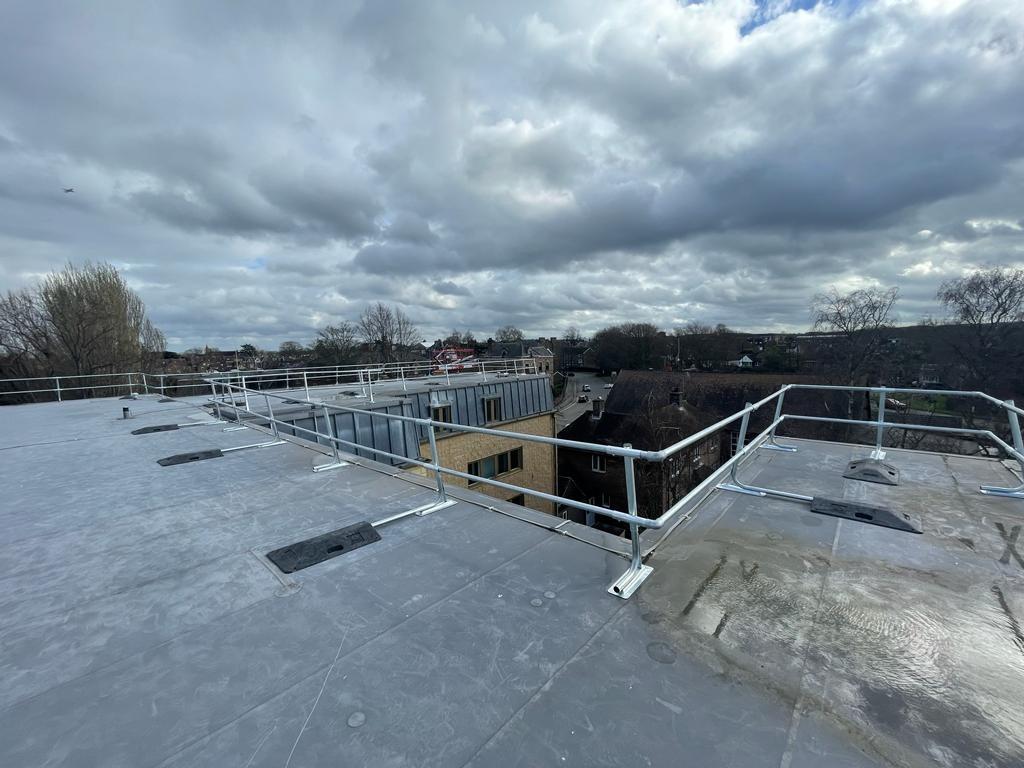
Edge protection is a passive safety system designed to prevent falls by creating a physical barrier at the edge of a structure. Roof edge protection, such as guardrails, guardrail systems, and modular barriers, is commonly used to safeguard workers on rooftops and ensure compliance with safety regulations.
Edge protection systems are used in a wide variety of settings, including rooftops, stairways, ramps, and construction platforms.
Because it does not rely on individual user action, edge protection provides collective safety. Once installed, it protects everyone working in the area without the need for specialist equipment or ongoing input.
Edge protection systems are required wherever workers are exposed to unprotected edges. Edge protection acts as a physical barrier that prevents falls, while fall protection includes systems designed to arrest a person after a fall has begun.
Examples of edge protection systems
Edge protection can take several forms depending on the site and requirements:
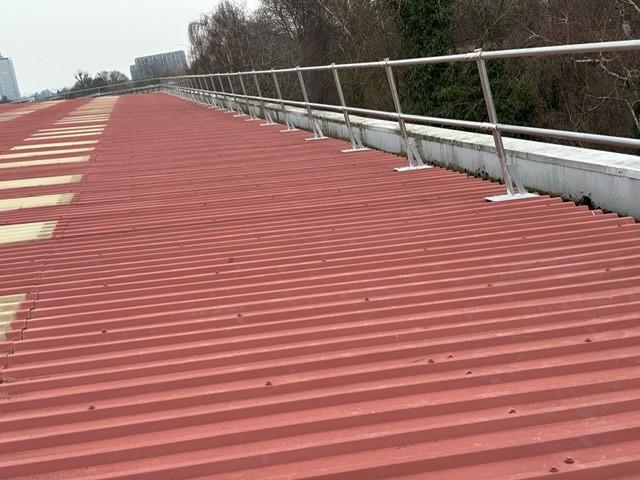
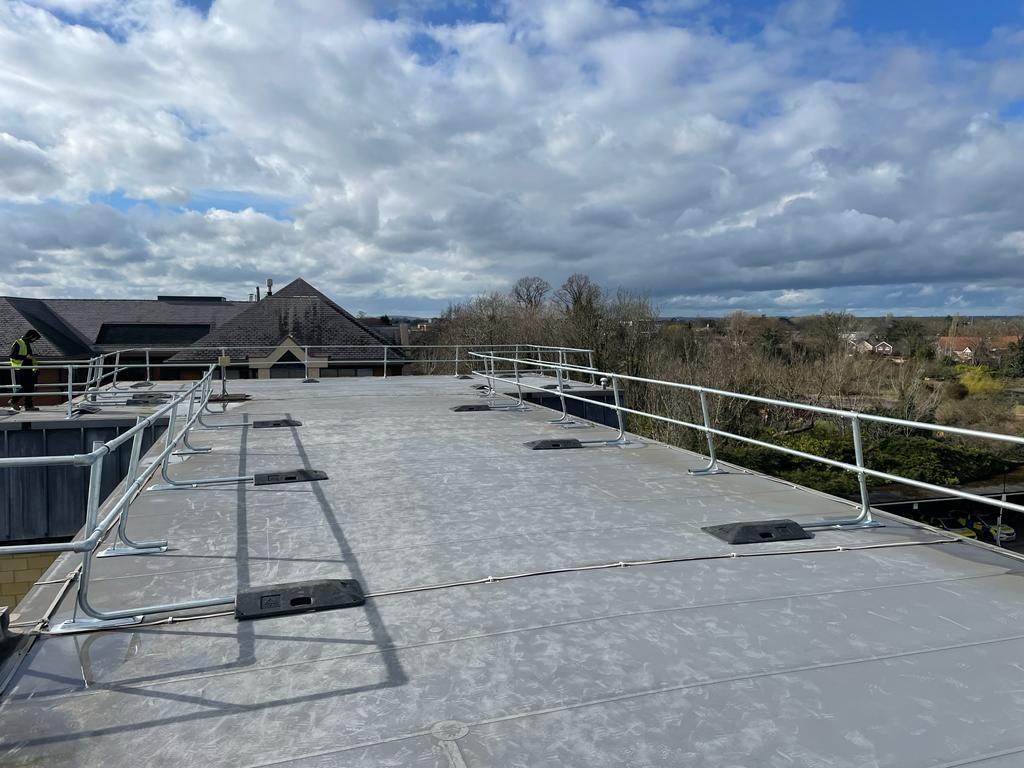
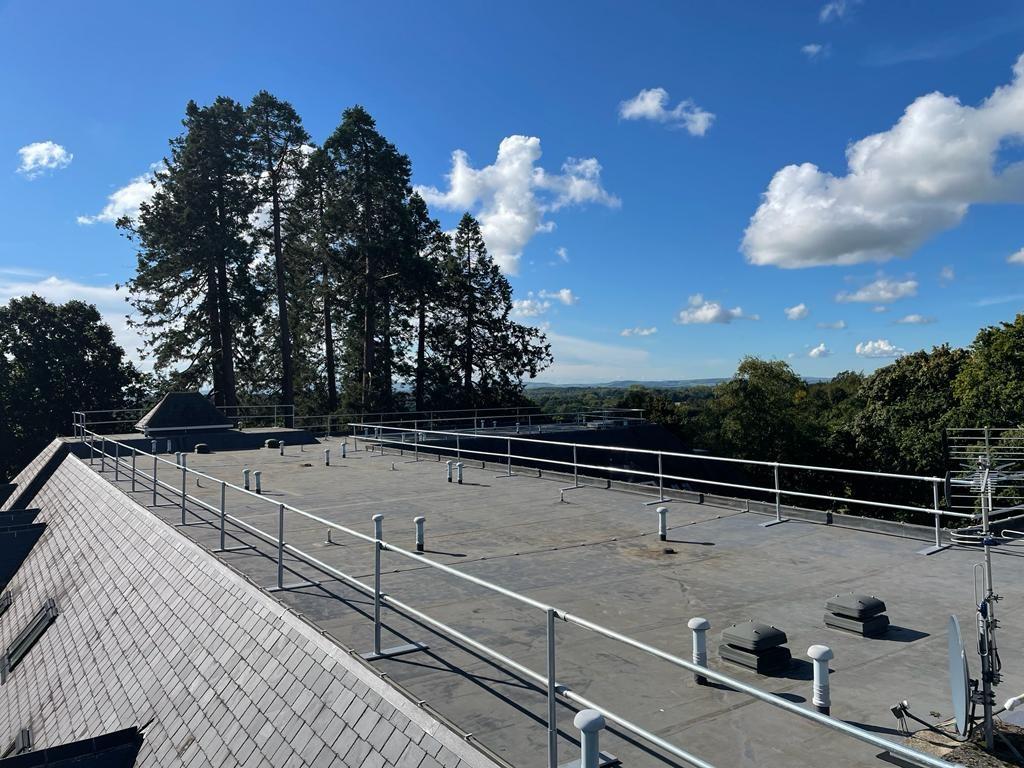
Fixed guardrail systems installed permanently on rooftops or elevated areas, providing a continuous barrier that prevents falls and can be fixed directly onto various roof types.
Guardrail system: a modular, physical barrier that can be tailored to different roof types and safety requirements, ensuring compliance with safety regulations.
Freestanding guardrails that avoid penetrating the roof surface.
Collapsible guardrail systems that can fold down when not in use, creating an invisible barrier for buildings where style is crucial.
Temporary edge protection used on construction sites.
Roof edge protection consisting of guardrails, toe boards, and barriers as a comprehensive solution for safeguarding workers at height.
Toe boards used in conjunction with guardrails to comply with UK health and safety regulations, such as the Work at Height Regulations 2005.
Walkways and designated access routes that guide movement safely.
The importance of a continuous barrier in edge protection systems cannot be overstated, as it ensures stability and safety by creating a solid, uninterrupted physical barrier at exposed edges.
Where edge protection is typically used
Edge protection is commonly used in environments where regular access is required and safety needs to be consistently maintained:
Commercial and industrial rooftops
Industrial buildings and other types of building structures
Construction sites with exposed edges
Facilities requiring ongoing maintenance or inspections
Elevated areas and elevated surfaces such as rooftops, stairways, and platforms
Edge protection systems can be adapted to fit various roof types, including flat and low-sloped surfaces, and can accommodate various roof configurations. This adaptability ensures safety across different roof layouts and structures.
What Is Fall Protection
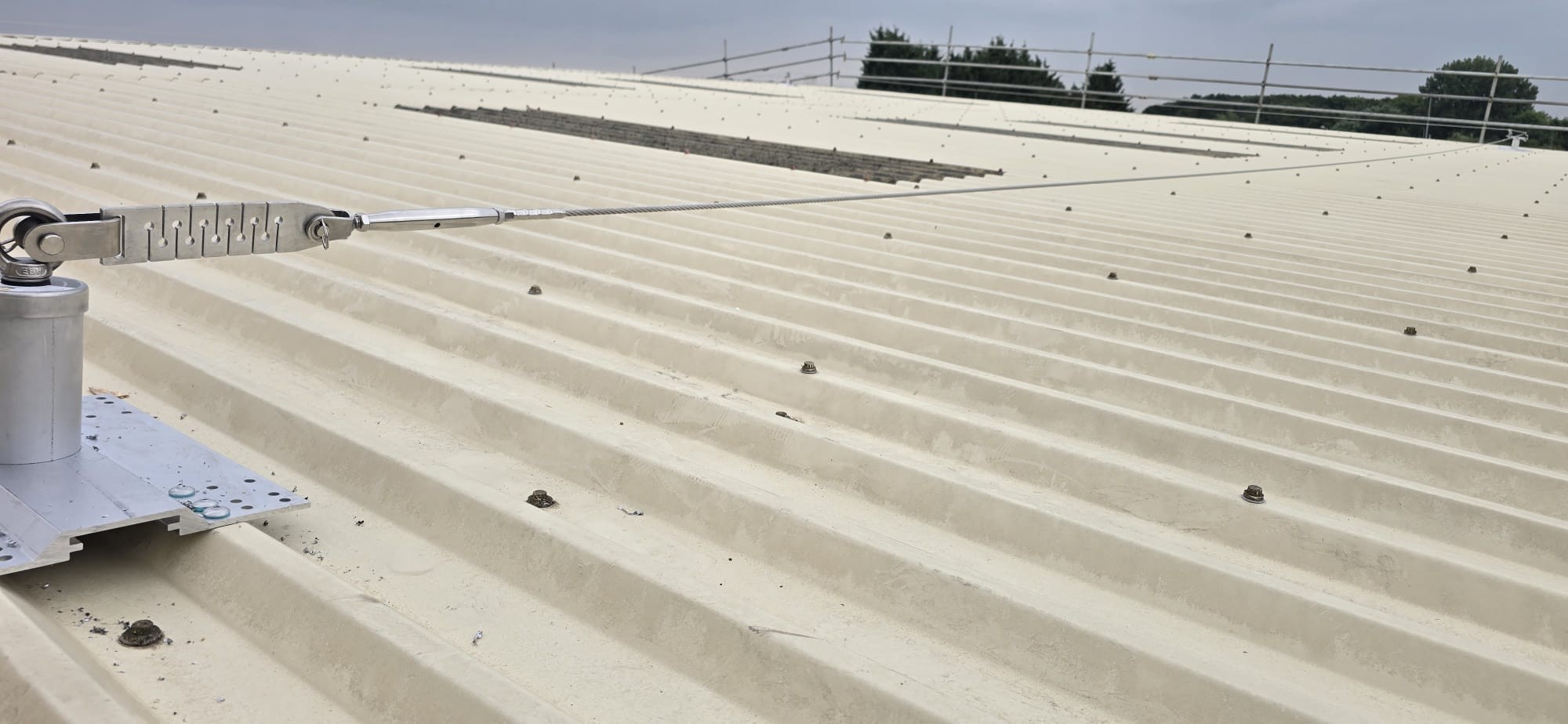
Fall protection refers to systems designed to reduce the risk of injury if a fall occurs, or to prevent workers from reaching dangerous areas altogether. Unlike edge protection, these are active systems that rely on correct use, training and equipment.
Fall protection systems require user interaction and are classified as active systems. They are considered ‘individual’ protection, as they mitigate the impact of a fall once it occurs. Fall protection includes both Fall Restraint and Fall Arrest systems; Fall Restraint physically restricts a worker’s movement to prevent reaching a fall hazard, while Fall Arrest catches a worker during a fall. Harnesses and lanyards are types of personal protective equipment (PPE) worn by workers in fall protection systems. These systems often require specialised equipment and proper training for safe use.
They are often used where installing a physical barrier is not practical due to the structure or nature of the work.
Types of fall protection systems
Fall protection systems are typically divided into two main categories
Fall restraint systems that stop a worker from reaching a fall risk area
Fall arrest systems that safely stop a fall once it has started
Common equipment includes
Safety harnesses
Lifelines and anchor systems
Lanyards with energy absorbers
Mansafe systems and fixed anchor points
Fall arrest equipment
Rooftop lifeline systems provide a secure connection point for workers to attach their safety harnesses and lanyards.
Fall protection systems, such as harnesses, protect only one person at a time and require proper training and ongoing monitoring.
Where fall protection is used
Fall protection is usually required in more complex or constrained environments
Roofs with unusual layouts or limited edge access
Towers, scaffolding and vertical structures
Temporary work areas where permanent systems are not feasible
Areas near fragile surfaces, such as skylights, where there is a risk of falling through
At access points to roofs or upper levels, to secure entry and prevent unauthorized access and fall hazards
At ground level where there is a risk of falling from a higher platform or structure
Key Differences Between Edge Protection and Fall Protection
Although both systems aim to improve safety, they operate in fundamentally different ways.
According to the HSE Hierarchy of Control, collective measures like edge protection must always be prioritized over personal fall protection.
Edge protection focuses on preventing falls entirely by removing the hazard. Fall protection focuses on managing the consequences of a fall when prevention is not possible.
Edge protection is passive and requires little to no user involvement once installed. Fall protection is active and depends on workers using equipment correctly.
Edge protection protects everyone within a defined area. Fall protection is typically applied on an individual basis.
Many work sites benefit from a combination of edge protection and fall protection systems for maximum safety.
Ease of use and training requirements
Edge protection is straightforward. Once installed, it does not require workers to take additional steps to remain safe.
Fall protection requires proper training, regular safety inspections and strict adherence to safety procedures. Incorrect use can significantly reduce effectiveness.
Cost and maintenance considerations
Edge protection often involves a higher initial investment due to installation. However, it tends to have lower long term costs because it requires minimal maintenance and no user training. Regular inspection and maintenance of edge protection systems are critical for ongoing safety. Regular inspection is important for identifying wear, movement, or environmental damage before it becomes a hazard.
Fall protection systems are usually cheaper to install initially but come with ongoing costs such as equipment checks, recertification and staff training.
Fall Restraint vs Fall Arrest Explained
Understanding the difference between fall restraint and fall arrest is key when evaluating fall protection systems.
Fall restraint systems are designed to stop a worker from reaching a position where a fall could occur. They restrict movement and keep users within a safe working zone.
Fall arrest systems allow a fall to happen but stop it safely before the worker hits a lower surface. These systems rely on harnesses, lanyards and energy absorbers to reduce impact forces.
In simple terms, restraint prevents the fall. Arrest manages it.
When Should You Use Edge Protection or Fall Protection
Choosing the right system depends on the nature of the site, the level of risk and how frequently the area is accessed. Choosing the right edge protection system involves assessing the specific needs of your roof structure. Selecting the right edge protection for specific structures is crucial to ensure compliance and safeguard workers.
Edge protection is ideal where there is regular or ongoing access and where a permanent or semi-permanent solution is practical. It is particularly effective for rooftops and maintenance areas where multiple workers are present. However, edge protection is not practical if the building shape makes installing physical barriers impossible or for very short-term tasks that do not justify the installation of barriers.
Fall protection is better suited to environments where barriers cannot be installed or where the structure is too complex. It is often used for short-term tasks or specialist work.
Choosing the right system for your site
Several factors should be considered when selecting a safety solution
How often the area will be accessed
The layout and design of the structure
The level of risk involved in the work
UK compliance and safety requirements
The Working at Height Regulations (2005) list multiple factors that your edge protection needs to meet in order to reduce risk. According to height safety regulations, edge protection is needed when there’s a possibility of falling over 2 metres.
It is important to identify potential hazards and conduct a thorough risk assessment to reduce risk and ensure the right safety measures are in place. Compliance with building regulations and height safety regulations is essential to ensure your system is fully compliant. Height safety is a critical consideration when selecting edge protection systems.
A thorough risk assessment will help determine the most appropriate approach.
Can Edge Protection and Fall Protection Be Used Together
In many cases, the safest solution is to combine both systems.
Roof edge protection systems are required wherever workers are exposed to unprotected edges, such as rooftops and construction platforms. Edge protection systems are designed to prevent falls entirely by creating a physical barrier at the edge of a structure.
For example, edge protection can secure the perimeter of a roof, while fall protection systems provide additional safety for tasks that require working close to the edge or in exposed positions.
This layered approach offers a higher level of protection and is often considered best practice on complex or high-risk sites.
Working at Height Regulations in the UK
In the UK, working at height is governed by strict regulations enforced by the Health and Safety Executive.
The Health and Safety Executive (HSE) provides guidelines which underline the importance of conducting risk assessments and implementing controls like edge protection to prevent falls from roofs.
The regulations follow a clear hierarchy of control
Avoid working at height where possible
Prevent falls using collective protection such as guardrails
Minimise risk using personal fall protection systems
This hierarchy places edge protection above fall protection wherever feasible, as preventing a fall is always the preferred option.
Edge protection systems must be regularly inspected, tested, and maintained at least every 12 months to ensure ongoing safety and compliance with regulations. Regular inspection helps identify wear, movement, or environmental damage before it becomes a hazard. All inspections and repairs are carried out by qualified and competent engineers, who will ensure that the system is re-certified, fit for purpose, fully compliant and safe to use. Recertification and safe access solutions are essential for maintaining compliance and safety standards.
Failure to comply with these regulations can result in serious legal and financial consequences, as well as increased risk to workers.
Choosing the Right Safety Solution for Your Project
There is no single solution that fits every scenario. The right approach depends on your specific site conditions, operational needs and level of risk.
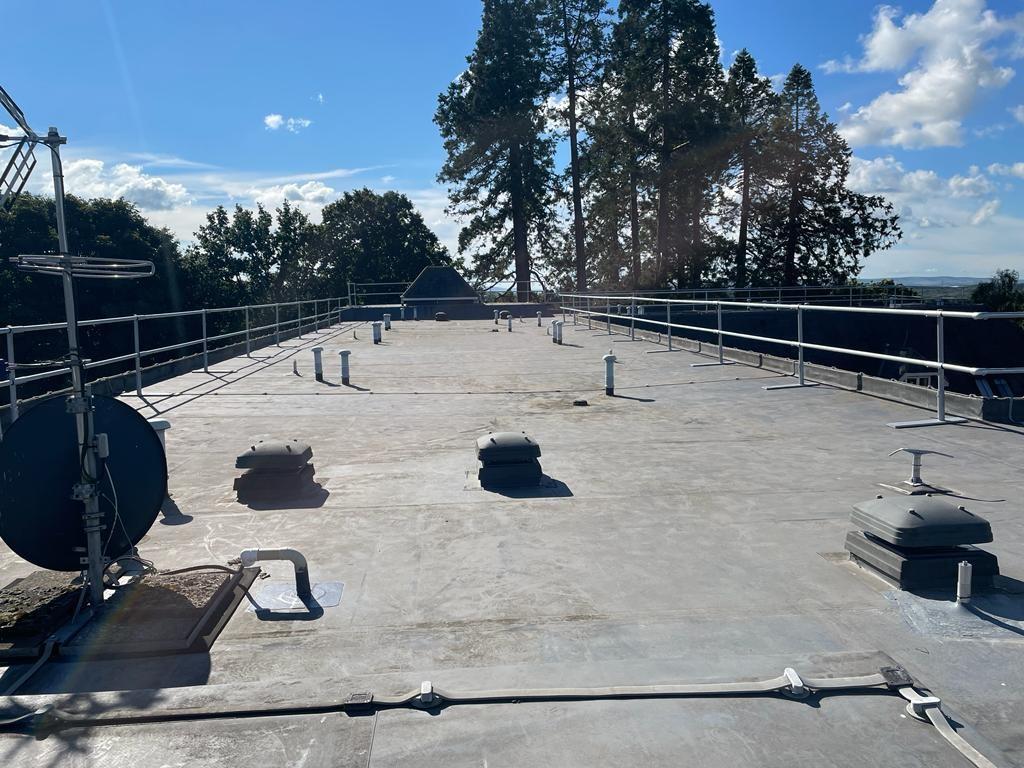
Kee Guard is a market-leading edge protection solution designed to eliminate the risk of falls and safeguard workers. Its modular, non-penetrating design preserves roof integrity and does not damage the roof membrane, while providing exceptional stability. Kee Guard is suitable for various roof types and configurations, making it adaptable to different environments.
Edge protection systems provide an effective solution to protect workers and personnel working at height from serious injuries and fatalities caused by falls from exposed edges and roof edges. These systems are designed to protect workers by creating physical barriers that prevent falls, ensuring safety and compliance with regulations.
Edge protection offers a simple, reliable and low maintenance solution for many environments. Fall protection provides flexibility in more complex situations where barriers are not practical.
In many cases, combining both systems will deliver the highest level of safety and compliance.
Working with an experienced provider ensures that your system is correctly specified, installed and aligned with UK regulations.
Conclusion
Edge protection and fall protection both play a vital role in keeping people safe when working at height, but they serve different purposes.
Edge protection prevents falls from happening by creating a secure barrier. Fall protection reduces the risk of injury when a fall cannot be avoided.
Understanding these differences is essential for selecting the right system for your site. By assessing your environment carefully and applying the correct solution, you can create a safer, more compliant workplace for everyone involved.
Choosing the right working at height system can be complex. Our top work at height specialists can assess your site, explain your options and recommend the most effective solution for your needs. Contact us today to start the conversation.