What is a Mansafe System? Your Complete Guide to Fall Protection

Working at height remains one of the most significant safety risks across UK industries. According to the Health and Safety Executive, falls from height are consistently one of the leading causes of workplace fatalities. For employers, facilities managers, and contractors, ensuring safe access to elevated areas is not just best practice, it is a legal responsibility.

One of the most effective ways to reduce this risk is through the use of a mansafe system, sometimes referred to as a fall protection system or safety line system within the industry. A Mansafe system is designed to ensure the safety of workers at height, commonly on rooftops, industrial sites, and facades.

It can be a permanent or temporary fall protection solution designed to secure workers who must operate at height. Man safe systems are widely used across commercial buildings, warehouses, power plants, industrial facilities, and infrastructure where regular maintenance or inspection work must be carried out at height.

In this guide, we explain what a mansafe system is, how it works, when it is required, and why it plays such a critical role in keeping people safe.

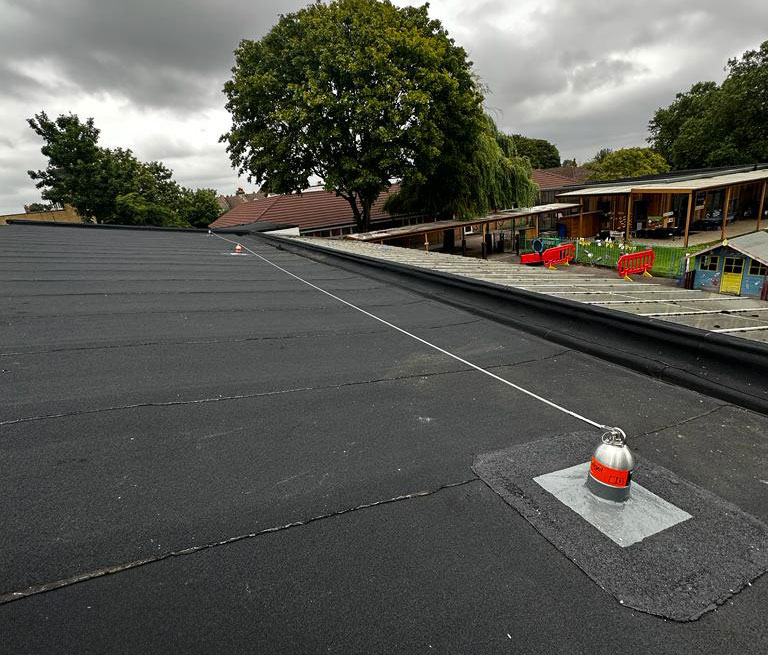
Corrugated metal roof with a mansafe system installed, showing safety line anchors, cable lifeline, and roof edge protection in an industrial setting.

What is a Mansafe System

A mansafe system is a fall protection system designed to keep workers safe while operating at height. The term is commonly used to describe horizontal lifeline systems that allow users to remain continuously attached while moving across a surface.

A typical Mansafe system consists of anchorage points (anchors), lifelines, a traveller device, personal protective equipment (PPE), and shock absorbers. Anchors play a critical role in securing lifelines and enabling safe movement along the system, supporting both inspections and ongoing compliance with safety standards.

These systems are widely used on rooftops, industrial sites, and large structures where there is a risk of falling. By providing a secure anchorage and connection point, a mansafe system enables safe access for tasks such as maintenance, inspection, and repair. Mansafe systems minimize fall risks where collective protection like guardrails is not feasible, making them a crucial component of industrial safety.

Mansafe systems are designed to support two key types of protection. Fall restraint prevents a worker from reaching a hazardous edge, while fall arrest stops a fall in progress and reduces the impact.

How Does a Mansafe System Work

A mansafe system works by creating a secure line of attachment that users connect to while working at height. This ensures that they remain protected at all times, even when moving across large or complex areas.

Modern Mansafe systems include energy absorption technology, such as shock absorbers, which help reduce the load transferred to the user and the roof structure in the event of a fall.

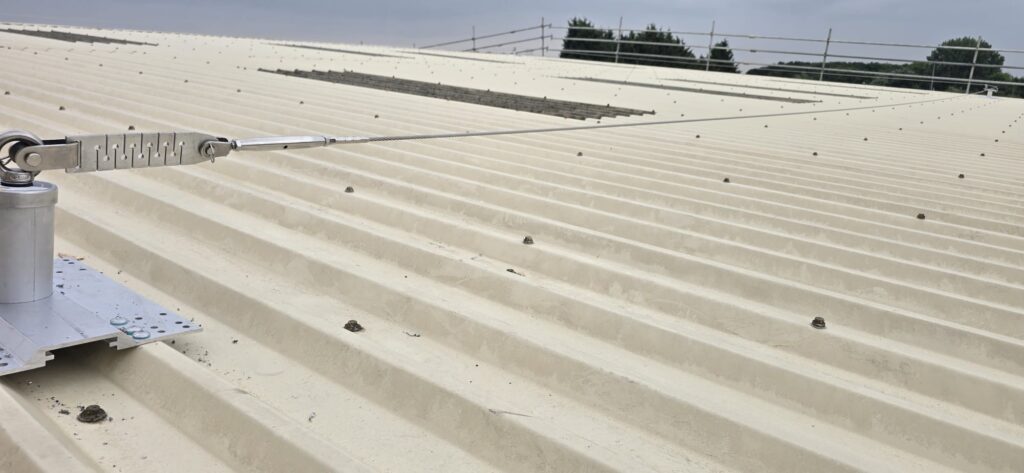
Close-up of a mansafe lifeline system on a corrugated metal roof, showing a tensioned safety cable, anchor post, and roof-mounted bracket on an industrial building.

Core components of a mansafe system

A typical system includes several essential elements that work together to provide protection

  • Anchor points that are securely fixed to the structure
  • A lifeline, usually a stainless steel cable or rigid rail
  • A full body harness worn by the user
  • A lanyard or connector that links the user to the system
  • A traveller device that allows smooth movement along the lifeline

The Constant Force post is ideal for one-off repair or maintenance tasks and can be installed on virtually all major roof types, making it compatible with virtually all types of roofs and structures. This ensures the system can be used for virtually any rooftop safety application.

How users stay protected

The user connects their harness to the lifeline via a lanyard or traveller. As they move, the device travels along the system, allowing continuous attachment without needing to disconnect.

Depending on how the system is designed, it will either prevent the user from reaching a fall risk area or safely arrest a fall if one occurs.

Fall Arrest vs Fall Restraint Explained

Understanding the difference between fall arrest and fall restraint is essential when selecting the right system.

Fall restraint systems are designed to stop workers from reaching a hazard in the first place. This is typically the preferred approach as it removes the risk entirely.

Fall arrest systems, on the other hand, allow access to risk areas but protect the user by stopping a fall if it happens. These systems must be carefully designed to minimise injury and ensure there is enough clearance below.

Both approaches play an important role, and the correct choice depends on the specific working environment.

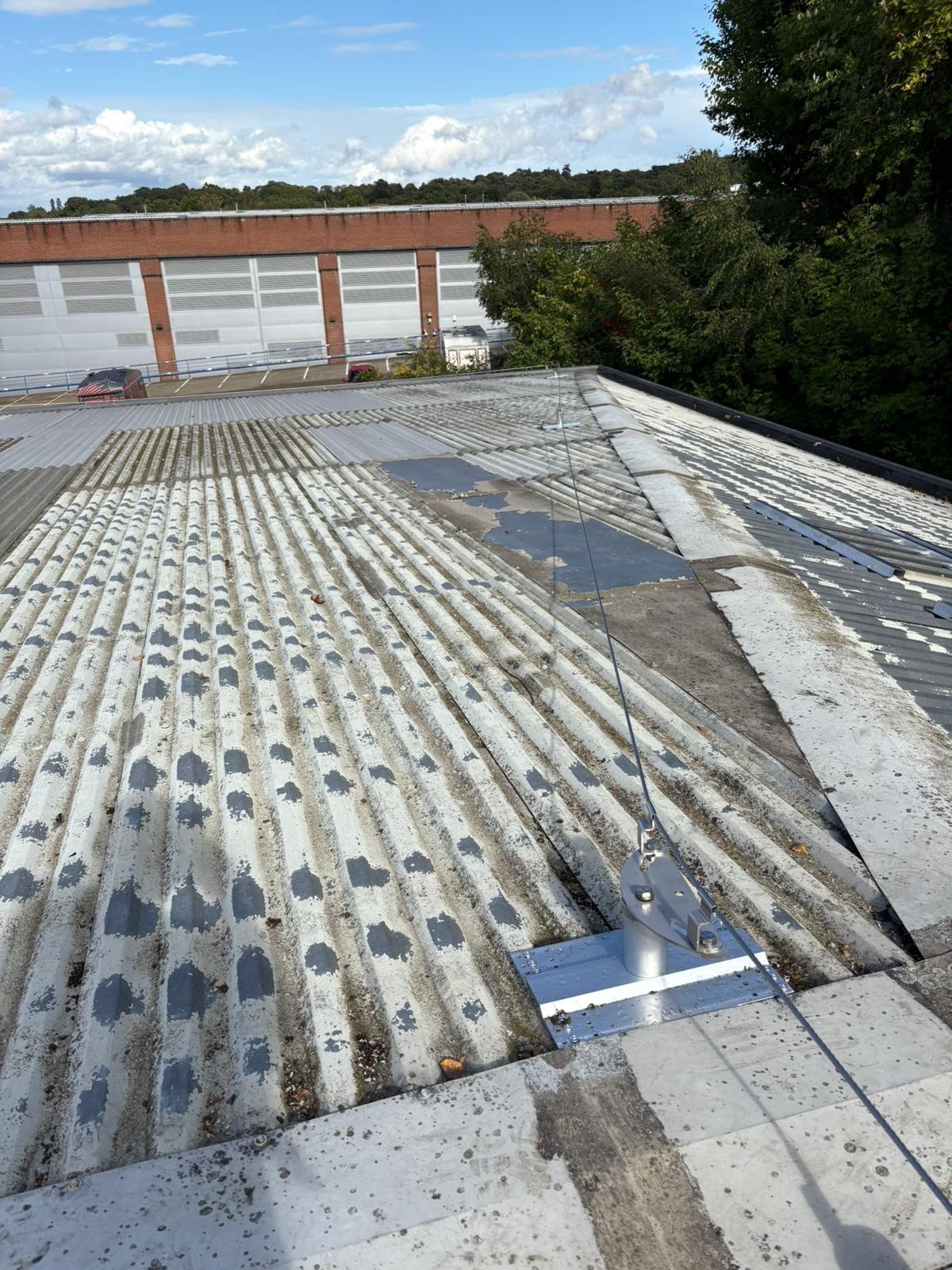
Mansafe lifeline system installed on a corrugated industrial roof, with anchor point and safety cable running across weathered roofing near a commercial building.

Where Are Mansafe Systems Used

Mansafe systems are used in a wide range of industries and environments where working at height is required. They are compatible with different roof types and can be installed on flat, pitched, or curved roofs, making them suitable for various rooftop applications. The installation process is tailored to the specific roof structure to ensure maximum safety during maintenance or repair activities. Harnesses and lanyards are designed to connect the worker to the man safe system, providing secure attachment while working at height.

Common applications

  • Rooftops including flat and pitched surfaces
  • Construction sites and refurbishment projects
  • Warehouses and manufacturing facilities
  • Industrial plants and utilities infrastructure
  • Public sector buildings such as schools and hospitals

They are particularly valuable in situations where regular access is needed but permanent edge protection such as guardrails is not practical.

When is a Mansafe System Required

A mansafe system is required whenever there is a risk of falling from height and other safer control measures cannot be implemented.

Under the Work at Height Regulations 2005, employers must assess risks and take appropriate steps to prevent falls. This includes following a hierarchy of control that prioritises eliminating the risk or using collective protection such as guardrails.

Where these options are not feasible, personal fall protection systems such as mansafe systems become essential.

Mansafe System Regulations in the UK

Mansafe systems must comply with a range of UK regulations and standards to ensure they are safe and effective.

Key regulations to be aware of:

  • The Work at Height Regulations 2005, which require proper planning and risk management, and BS 7883:2019 are key compliance requirements for mansafe systems.
  • The Health and Safety at Work etc Act 1974 places a duty of care on employers.
  • BS EN 795 covers the design and performance of anchor systems.
  • BS 7883 provides guidance on installation and maintenance. Failure to follow BS 7883 can put workers at risk and expose duty holders to significant legal liabilities.

To remain compliant, systems must be properly designed, installed, and certified by qualified professionals. The law requires that any fall protection system be inspected by a competent person at least once every 12 months. A formally documented inspection is essential for demonstrating compliance during audits or in the event of an incident.

Types of Mansafe Systems

There are several types of mansafe systems available, each suited to different environments and requirements.

Horizontal lifeline systems

These are the most common type and are typically installed across rooftops or large open areas. They use a flexible cable or rigid rail to provide continuous protection.

Vertical lifeline systems

Designed for climbing applications such as ladders or towers, these systems allow users to move up and down safely while remaining attached. Latchways ManSafe systems can be specified to work horizontally, vertically, along inclines, and overhead, providing flexible fall protection solutions for a wide range of environments.

Fixed and temporary systems

Fixed systems are permanently installed and ideal for buildings that require regular access. Temporary or freestanding systems are more flexible and are often used for short term projects or where permanent installation is not possible. For such projects, portable man anchor systems conform to EN 795 E and are available for purchase or hire depending on project requirements. Constant Force posts are recommended for roof-top applications and can be installed on various roof types.

Benefits of Installing a Mansafe System

Installing a mansafe system offers several important advantages for both safety and operations.

  • Improves safety by reducing the risk of falls
  • Helps organisations comply with UK regulations
  • Reduces liability and potential legal consequences
  • Increases worker confidence when operating at height
  • Supports efficient maintenance and inspection work
  • Can be adapted to suit a wide range of environments

Anchor Points and Devices

Anchor points and devices form the backbone of any effective mansafe system, providing the essential connection between the worker and the structure. These components are specifically engineered to support fall protection systems, including both fall restraint systems and fall arrest systems, ensuring that workers remain secure while operating at height.

Anchor points are strategically installed on the building or structure to serve as reliable attachment locations for lifelines, lanyards, or other fall protection equipment. Their placement and type are determined by a thorough risk assessment, taking into account the specific requirements of the site, the nature of the work, and the applicable height regulations.

To guarantee the highest level of safety and compliance, anchor points and devices must be selected and installed in strict accordance with British Standards and relevant regulations. This includes ensuring that each anchor is capable of withstanding the forces generated during a fall arrest event, as well as being compatible with the overall mansafe system design.

Regular maintenance and inspection of anchor points are critical to maintaining the integrity of the fall protection system. Duty holders must ensure that all anchor devices are routinely checked for signs of wear, corrosion, or damage, and that any remedial work is carried out promptly to uphold safety standards.

By prioritising the correct selection, installation, and ongoing maintenance of anchor points and devices, employers and building managers can provide robust fall protection, safeguard workers, and ensure full compliance with all relevant safety regulations.

Mansafe System Installation and Design

Every mansafe system should be tailored to the specific building and its intended use.

The process typically begins with a detailed site survey and risk assessment. This helps identify hazards and determine the most appropriate type of system.

From there, a bespoke solution is designed to ensure full coverage and compliance. Installation must be carried out by trained specialists to guarantee the system performs as intended. Specialists also carry out thorough inspections and assessments to ensure the effectiveness and ongoing safety of the system. Latchways have designed and developed some of the most unique and innovative safety systems and products used to date, including ManSafe, Constant Force, LadderLatch, Transfastener, ClimbLatch, and PushLock.

Mansafe Testing Inspection and Certification

Regular safety link inspection and testing are essential to ensure a mansafe system remains safe and compliant over time.

Most systems should be inspected at least every 6 to 12 months, although more frequent checks may be required depending on usage and environmental conditions.

Typical inspections include

  • Visual checks for wear, damage, or corrosion
  • Testing of anchor points and cable tension
  • Verification of compliance with relevant standards
  • Recertification to confirm the system is safe to use

Ongoing maintenance is critical to ensure long term reliability and protect those using the system.

Who Needs a Mansafe System

Mansafe systems are relevant for any organisation that requires safe access to elevated areas.

This includes

  • Facilities and building managers
  • Property owners and landlords
  • Roofing and construction contractors
  • Maintenance and inspection teams
  • Industrial and infrastructure operators

If there is a need to access rooftops or high level areas, a mansafe system is likely to be required.

Mansafe Systems vs Other Fall Protection Solutions

While mansafe systems are highly effective, they are one of several options available for working at height safety.

Roof guardrail systems and edge protection provide collective safety and are often preferred where feasible. Walkways can help create safe access routes across fragile surfaces.

However, in situations where these solutions are not practical, mansafe systems offer a flexible and reliable alternative. They provide continuous protection without significantly altering the structure or appearance of a building.

Frequently Asked Questions

Is a mansafe system a legal requirement

A mansafe system itself is not mandatory, but employers must provide adequate fall protection under UK law. Mansafe systems are one of the most effective ways to meet this requirement.

How often should a mansafe system be inspected

Systems should be inspected at least once every 12 months, with additional checks depending on usage.

Can mansafe systems be installed on existing buildings

Yes, most systems can be retrofitted to existing structures with the right design and installation approach.

Do workers need training to use a mansafe system

Yes, users should be properly trained to ensure they understand how to use the system safely and effectively.

How Height Of Safety Can Help You

Working at height carries serious risks, but with the right systems in place, those risks can be significantly reduced. A mansafe system provides a practical, compliant, and highly effective way to protect workers while allowing safe access to elevated areas.

By investing in a professionally designed, installed, and maintained system, organisations can safeguard their people, meet legal obligations, and create a safer working environment for everyone involved.

If you are unsure what solution is right for your site, speaking to the best working at height specialists can help ensure you remain compliant and fully protected.

For more information about mansafe systems, to arrange an inspection, or to discuss your specific requirements, please contact our team of experts by clicking here.

Share the Post:

Related Posts