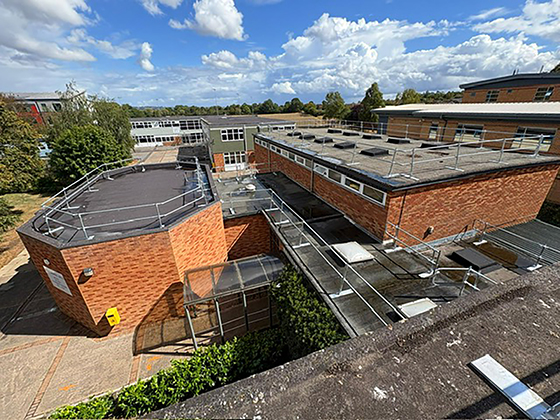
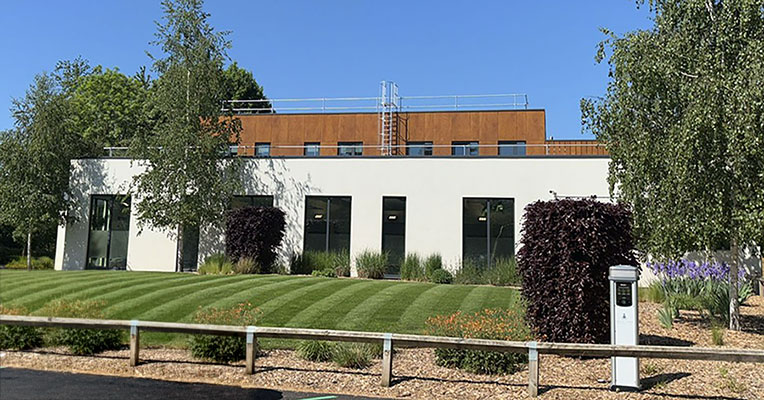
Work at height is still one of the leading causes of serious injury and fatalities in the UK. For block managers and property managers responsible for communal areas in apartment buildings and blocks of flats, managing the risk is not optional. It’s a legal duty.
As a block manager, your duties will include overseeing shared spaces such as roofs, plant rooms, walkways, and facades. And if you’re a property manager, you can be responsible for multiple sites across a portfolio, each with different layouts, roof types, and access challenges.
This makes a structured, proactive approach to work at height safety essential.
Block and property managers’ legal responsibility
Under the Work at Height Regulations 2005, anyone who controls work at height has a duty to ensure it is planned, supervised, and carried out safely. This applies even if the work itself is completed by a third-party contractor.
As a manager of single or multiple properties, you are expected to:
- Identify probable work at height risks
- Ensure suitable control measures are in place
- Appoint competent contractors
- Maintain safety systems and documentation
Failing to do so can expose you to enforcement action, liability claims, and damage your reputation if an accident occurs.
So what can you do to protect yourself and those working on the properties you’re responsible for?
Start with a thorough work at height risk assessment
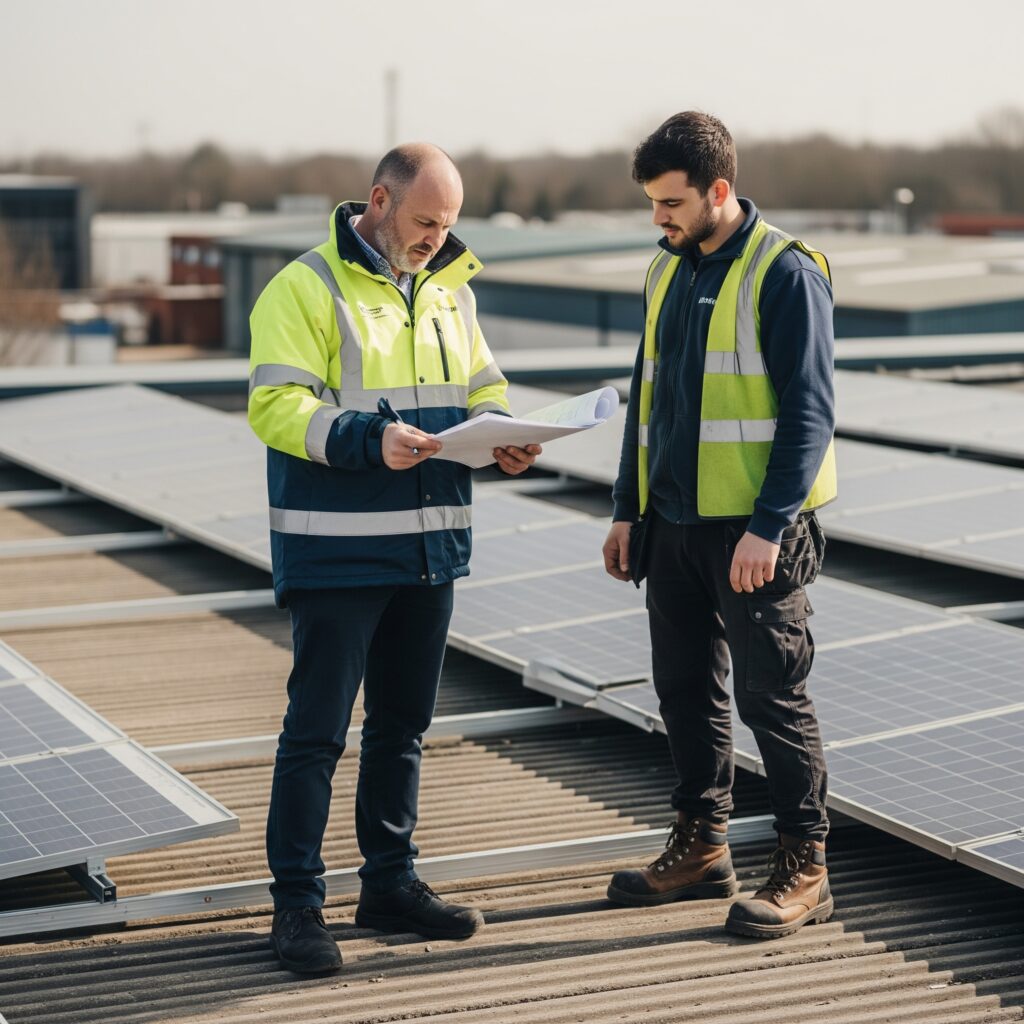
Every building presents different hazards. Roof pitch, edge protection, fragile surfaces, plant equipment, and access routes all influence how safely work can be carried out.
A suitable risk assessment should consider:
- How often roof access is required
- Who needs access and for what purpose
- Existing fall risks, including edges, skylights, and level changes
- Weather exposure and environmental factors
For property managers overseeing multiple buildings, it is important not to apply a one-size-fits-all approach. Each site and task should have its own assessment and access strategy, reviewed regularly or when the building use changes.
Vetting contractors for work at height competence
One of the most common failings in work at height incidents is assuming that a contractor is competent simply because they are insured or are experienced. Just because a contractor installs solar panels, it doesn’t mean they know how to work at height safely.
Competency should include:
- Relevant training and qualifications
- Experience with similar buildings and roof types
- Understanding of fall protection systems
- Ability to provide site specific method statements and risk assessments
If you have safety systems installed on the roof, you must also confirm that contractors know how to use them. Providing access to a roof without verifying competence can leave you exposed if something goes wrong.
Providing the right form of fall protection
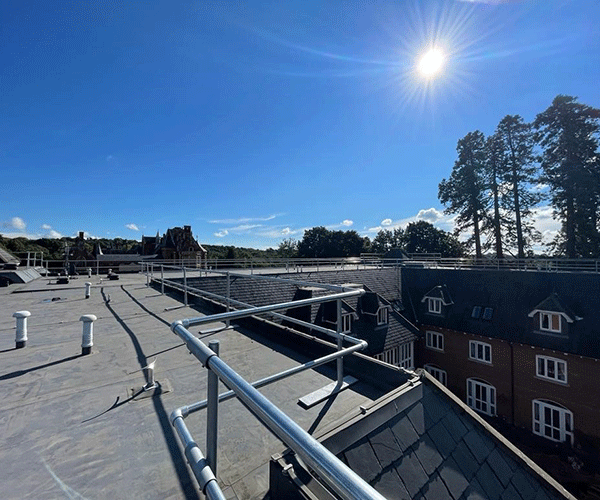
Where work at height cannot be avoided, you must provide suitable fall protection. The choice of system depends on the task, frequency of access, and roof layout.
Common forms of fall protection include:
Collective protection
Protects everyone without relying on individual behaviour. Examples include guardrails, parapets, and fixed walkways. These are ideal for buildings requiring frequent roof access.
Personal fall protection systems
Including safety lines, anchor points, and harnesses. Suitable where access is infrequent but unavoidable, and where users are trained and competent.
Fall restraint systems
Designed to prevent a user from reaching a fall edge. Commonly used on flat roofs with defined access zones.
Temporary protection
Used for short-term works such as refurbishment projects. This may include temporary edge protection or scaffolding and must be properly designed and installed.
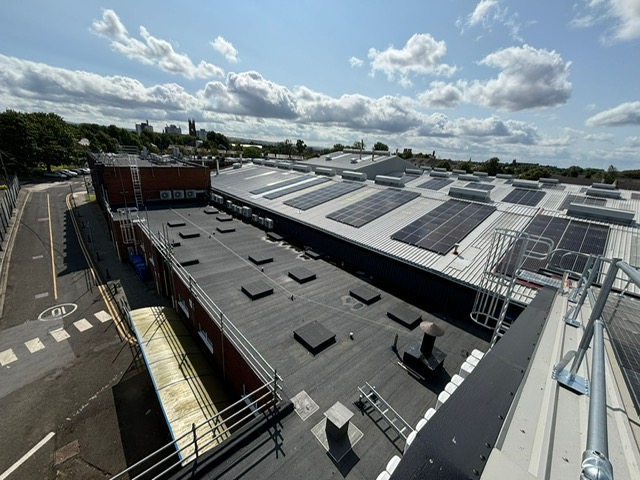
The value of working with one specialist provider
Managing work at height across one building or an entire property portfolio can quickly become complex. Using multiple suppliers for surveys, design, installation, and inspections often leads to gaps in responsibility and inconsistent standards.
Working with a single work at height specialist takes the hassle out of managing fall protection requirements across multiple properties. It gives you a consistent, compliant approach across every site, with clear accountability from initial site surveys and risk assessments through to system design, installation, and ongoing annual inspections.
And, crucially, for property managers, it reduces administrative burden, simplifies compliance management, and gives you peace of mind that every building in your portfolio is being managed to the same high safety standard.
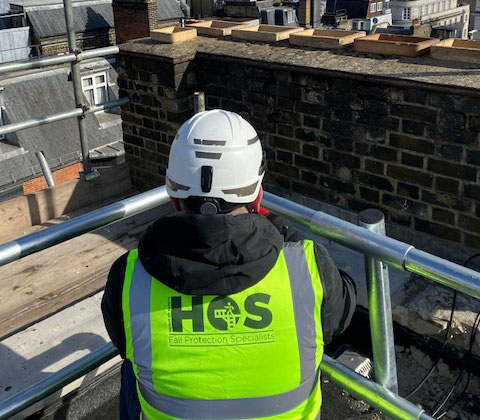
Inspection, maintenance and continued compliance
Installing fall protection is only part of the solution. Safety systems must be inspected and maintained to ensure they remain effective and legally compliant.
Managers should ensure:
- Annual inspections by a competent provider
- Clear inspection records are retained
- Systems are checked following severe weather, building works, or a fall incident in case of personal protection systems.
For property managers overseeing multiple sites, a single provider approach also simplifies inspection scheduling, reporting, and record keeping across the entire portfolio.
A proactive approach protects everyone
Safe work at height is not just about meeting regulations. It protects residents, contractors, and the property’s value. It also demonstrates that you are taking your responsibilities seriously.
By assessing risks, appointing competent contractors, and working with a single specialist provider to manage surveys, fall protection recommendations, installations, and ongoing inspections, you can remove unnecessary complexity and maintain safe communal areas across all your properties.