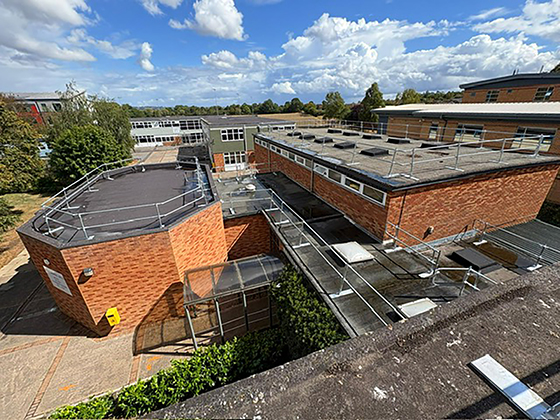
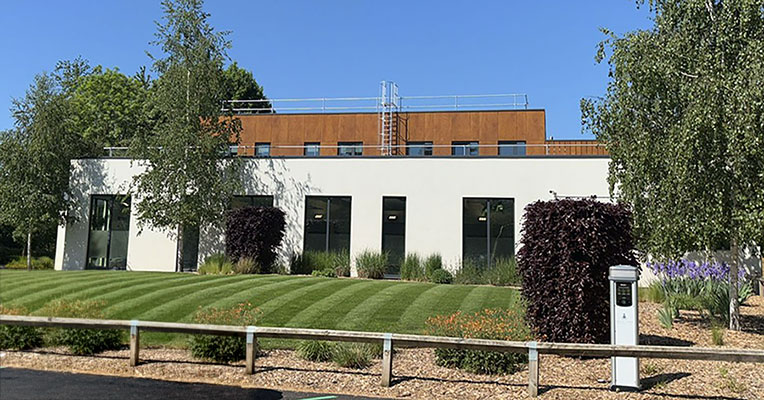
As 2026 approaches, now is the ideal time to make sure your fall protection systems are safe, compliant, and ready for another year. Inspection, testing and recertification of your fall protection system isn’t just best practice. It’s a legal requirement and a critical for managing any building where work at height takes place.
It might not be the most glamorous item on your pre-Christmas to-do list, but booking your inspection now is one less thing for you to do when you return from the festive break. It also avoids the stress and disruption that comes with discovering an expired system at the worst possible moment.
Systems that protect people need protecting too
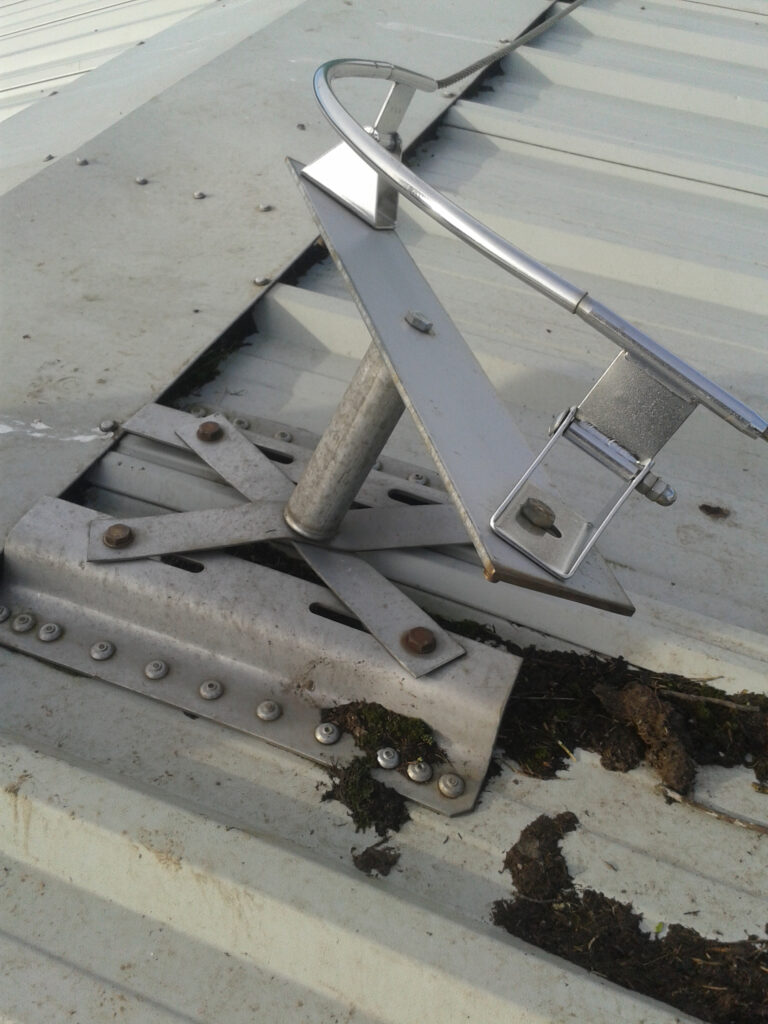
Fall protection systems are designed to prevent serious injury and save lives. But even the best systems cannot look after themselves. Weather, foot traffic, UV exposure and general wear all take their toll with time. Components loosen. Energy absorbers degrade. Fixings corrode. And none of these issues is always obvious from a quick glance across a rooftop.
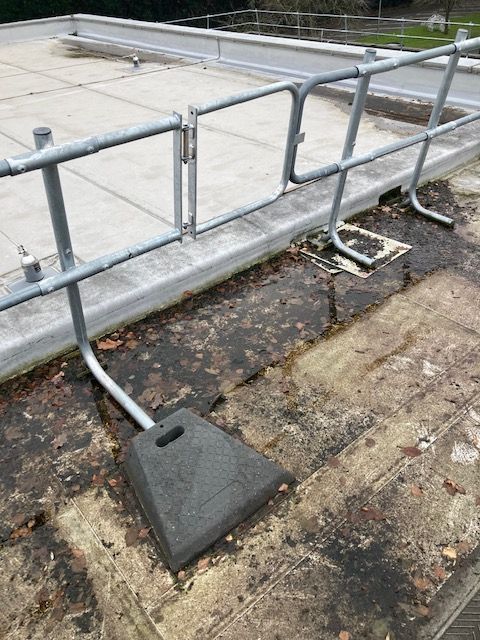
Standards such as BS 7883 and BS EN 365 make the requirement clear. Lifeline systems, anchor devices, fall arrest systems, and collective equipment, such as guardrails, must be examined at least once every 12 months by a competent person. Some items, particularly personal PPE or abseiling anchors, may need more frequent checks.
This is why fall protection inspection by a competent person is vital. Annual recertification is not simply about checking a compliance box. It is about proving that the equipment you rely on in an emergency will actually work.
Competence matters more than ever
There is a reason the regulations emphasise competency. A fall protection system inspection is a technical process. It requires an inspector who understands how forces travel through a system, who knows the failure points to look for. And, can spot subtle but significant defects.
We have seen anchors that looked fine on the surface but showed internal corrosion once tested. We have seen lifelines that passed visual inspection but failed load testing. And we have seen installations where the original design did not meet current standards.
Using a competent, accredited inspection company is your reassurance that if something is wrong, it will be found before someone steps onto the roof. It is also your legal protection. If an incident occurs and the equipment is found to be faulty, damaged or uncertified, duty holders can be held accountable.
Don’t underestimate the value of good documentation
A crucial benefit of annual inspections is the record they create. A valid test certificate proves compliance. It records remedial work. It highlights emerging issues before they become urgent. Over time, this documentation becomes a vital part of managing your building safely.
When our engineers visit your site, they do more than simply test the system. They consider everything. How has the environment changed? Has other work on the roof affected the system? Has the layout been altered since installation? This insight only comes with years of experience working with these systems.
A safer year with fall protection inspections
Preparing for 2026 doesn’t take long or require major investments. Making a simple phone call gets your inspection booked.
Once confirmed, you can enter the new year knowing that your roof access equipment will be safe, compliant and ready for anyone who needs to use it. No last-minute scrambles. No cancelled maintenance. No uncertain paperwork. Just peace of mind.
Let us help you start 2026 the right way
Our inspection and testing team is already scheduling January and February visits, and slots fill quickly. If you manage a building, oversee facilities or are responsible for contractor safety, now is the ideal time to plan ahead.
Your fall protection systems protect people all year. Give them the attention they need now, and they will do the same for you in 2026.